
Ferragamo’s brand Partnerships: Notable Collaborative Ventures and Limited Editions
Salvatore Ferragamo has built its name on craftsmanship rooted in Florence, but the house has never treated collaboration as a departure from tradition. Instead, partnerships have become a way to test new silhouettes, materials, and cultural references while keeping the codes that make a Ferragamo bag recognizable at a glance. From the Gancini clasp to the leather-wrapped heel, these signatures reappear in collaborative work, reinterpreted rather than replaced. For anyone browsing a Ferragamo shop today, understanding these joint projects helps explain why certain pieces command higher resale value and why some limited editions sell out within days of release.
This guide breaks down the most significant joint projects in the brand’s latest chapter, why they matter to collectors, and where they slot into a more complete Ferragamo bags overview for shoppers deciding where to invest in 2026.
The Reasons Ferragamo Opts to Partner
Every major fashion house inevitably confronts an identical dilemma: how can you remain current without diluting a century of identity? Rather than widespread licensing arrangements, Ferragamo’s response has been selective partnership. The brand was founded in 1927, and that heritage gives it leverage — any partner is handed immediate credibility by association, while Ferragamo gains access to new audiences, especially a younger buyer base who could easily overlook a legacy brand in favor of streetwear-adjacent names.
These projects are generally capped in quantity, often numbering a modest few-thousand-unit count across global markets, which sustains resale values inflated. A Ferragamo collaboration handbag rarely restocks once sold out, unlike mainline styles that stay available for several seasons. This scarcity is deliberate. It transforms a handbag purchase into something closer to an event, and it gives loyal customers of the Ferragamo shop a reason to check new drops regularly rather than shopping only during sale periods.
A design research angle is also part of the picture. Collaborating designers offer specialized skill Ferragamo’s own team doesn’t always have — advanced textile know-how, a distinct approach to color, or production methods borrowed from neighboring fields. Often, what results is a fusion design — be it a Ferragamo bag with an unexpected fabric, or a shoe silhouette borrowed from sportswear ferregamo.org but built with the house’s traditional Florentine leatherwork.
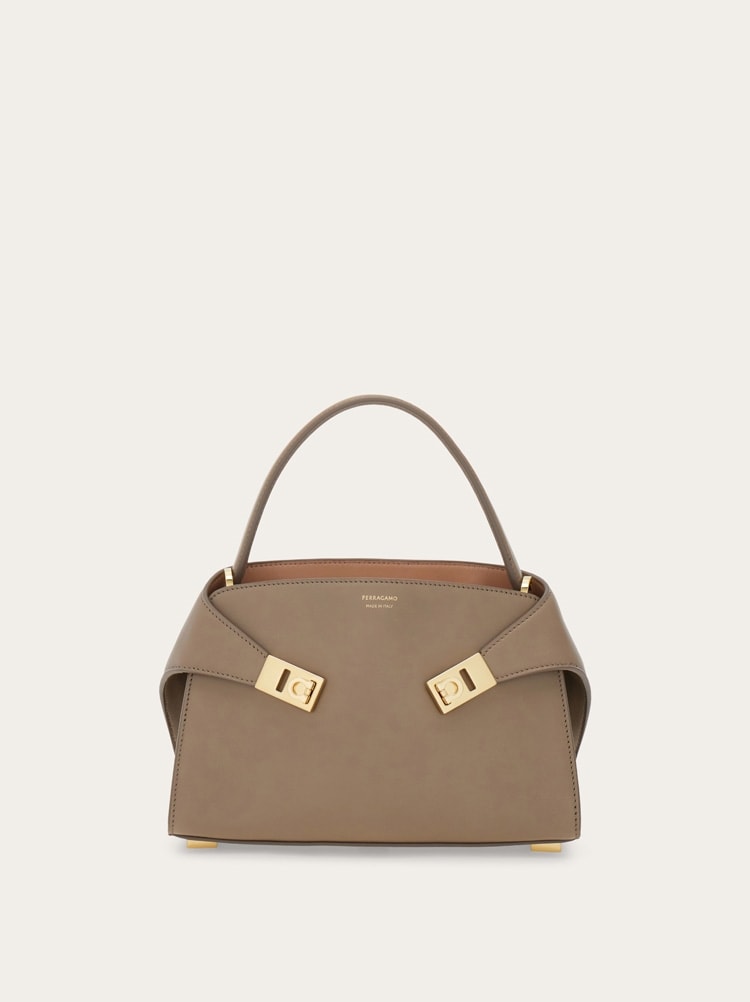
Cross-Industry Collaborations That Stand Out
Ferragamo’s collaborations have spanned automotive design houses, contemporary artists, and other fashion labels. One recurring theme is the reinterpretation of archival pieces — the brand’s historical archive — preserving tens of thousands of shoe lasts and sketches tracing back to the founder’s early work in Hollywood during the 1920s and 1930s — is opened up to designers. Reworking these archives into modern bags keeps the collaboration grounded in something authentic rather than purely trend-driven.
Also playing a role have been music and entertainment tie-ins, with focused capsule lines released around film releases or major cultural moments. Since a limited-edition Ferragamo bag is both easier to produce in small batches and easier for a customer to justify as a single splurge purchase versus refreshing a whole wardrobe, such capsules usually focus on accessories rather than complete ready-to-wear ranges.
Collaborative art tie-ins, on the other hand, have layered painted-on or printed patterns onto familiar handbag forms. Rather than reshaping a bestselling silhouette’s construction, such projects typically shift only the exterior treatment: an updated print, an embroidered insert, or a color-blocked handle. This approach protects the integrity of proven bestsellers while still offering something visually distinct for collectors who already own the standard version.
How Joint Projects Redefine Ferragamo’s Bags Landscape
For shoppers trying to make sense of today’s collection, joint releases muddy what was once a relatively uncomplicated catalog. A short while back, a Ferragamo bags summary might have spanned four or five core families — the totes with the Gancini clasp, firm-shaped top-handle bags, soft hobo styles, and dressy clutch bags. Collaborations now cut across every one of these groups, meaning a particular design can show up as a standing offering, a seasonally-dyed variant, and a numbered collaborative drop at once.
Ahead of any purchase, anyone evaluating salvatore ferragamo bags should be aware that this layering makes a difference. An entry from the core lineup purchased through an official Ferragamo shop will typically keep its price steady over time but isn’t guaranteed to gain value. An item born from a partnership, particularly one linked with a recognisable outside name, can move differently on the resale market, sometimes trading above its original retail price within the first year if the run remained tightly limited.
New customers’ way of engaging with the brand is also changed by this. Because collaborations generate more press coverage and social media attention, someone searching for their first salvatore bag might now come across a limited-edition piece ahead of seeing the standard catalog version. Customers need to be clear on which pieces are permanent fixtures versus limited drops before finalizing a purchase — this isn’t inherently an issue, but it still means clarity matters.
A Side-by-Side Look of Partnership Formats
Not all Ferragamo partnerships are structured in the same fashion. While some favor exclusivity paired with limited manufacturing batches, others aim for broader availability yet still retain a numbered designation. Further down, the table charts the general categories visible across the brand’s history of collaborations, proving useful for anyone assessing a buy in terms of long-term value.
| Kind of Collaborative Release | Common Production Volume | Long-term Value Trajectory | Best For |
|---|---|---|---|
| Vintage-inspired reissues | Compact in scale, usually under 2,000 units | Stays steady or rises a bit | Those drawn to historic aesthetics |
| Artist-designed mini collections | Moderate, seasonal run | Consistent pricing, with sporadic secondary-market markups | Buyers seeking a standout look |
| Entertainment tie-ins | Tight-run, matched to specific release windows | High resale volatility | Those emotionally tied to a certain release |
| Cross-brand fashion partnerships | Small to moderate | Demand that holds up most strongly over time | Buyers hunting for top ferragamo bags to invest in |
This comparison isn’t exhaustive, but it gives a working framework. Collaborations across brands typically produce the most sustained interest because they merge two well-known design languages rather than leaning on a single cultural moment that can lose steam.
Spotting the Best Ferragamo Bags Across Collaborative Lines
When people ask which pieces qualify as the best ferragamo bags from collaborative lines, a few criteria repeatedly matter more than hype. First, look at material quality — even in a limited run, Ferragamo doesn’t typically compromise on leather sourcing or hardware detailing, so a bag that feels lightweight or poorly stitched is likely a rare misstep rather than the norm. Second, consider whether the design references the brand’s actual history or simply slaps a logo onto an existing shape; the history-driven option tends to age better, both stylistically and in resale value.
Third, check production numbers if they’re published Fourth, consider versatility — certain limited runs lean so heavily on a particular collaborator’s aesthetic that they’re difficult to style beyond that context, while others fit more naturally into everyday wear.
Within recent collaborative releases featuring top ferragamo bags, the ones that see the most regular use tend to be structured top-handles and mid-size totes instead of heavily embellished evening bags. For most buyers, practicality remains the priority, even when they’re paying a premium for a scarce, limited-run piece. This is worth remembering before chasing the most visually dramatic piece in a given capsule collection
How to Shop Collaborations Wisely in 2026
Alongside rising collaboration hype, the counterfeit market has grown, and it’s worth it to address this directly. Misspelled searches like “ferregamo” often lead shoppers to third-party sites offering replicas, particularly for limited editions that never had an official wide release — especially for pieces expected to hold resale value.
With co-branded releases, paperwork carries more weight than it does with regular stock. For limited editions, certificates of authenticity, dust bags, and original packaging are usually more elaborate than standard, and resale price can suffer significantly later if these components are missing. Should you buy used, ask for zoomed-in images of hardware stamps and stitching before finalizing a purchase, since these details are the first things counterfeiters fail to reproduce well.
Looking ahead, Ferragamo shows no signs of slowing its collaborative output. As the brand continues recalibrating its image for a more youthful, internationally connected clientele, expect more heritage-inspired re-releases alongside the odd cross-industry surprises. For collectors curating carefully rather than chasing every drop, patience remains the wisest strategy: give the excitement time to cool, compare production numbers, and select items that fit both personal style and the practical demands of keeping a piece for years.